


ARES: THE IRON VANGUARD
4.6535.00 Reviews
App Specs
- Version
- 1.5.2
- Updated On
- License
- Free
- Downloads
- 500,000+
- Developer
- Com2uS Holdings
- Categories
- Role Playing
- Platform
- Android
Screenshots


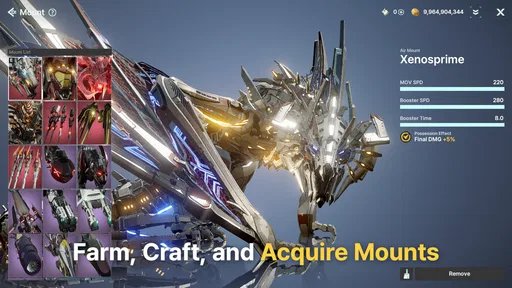
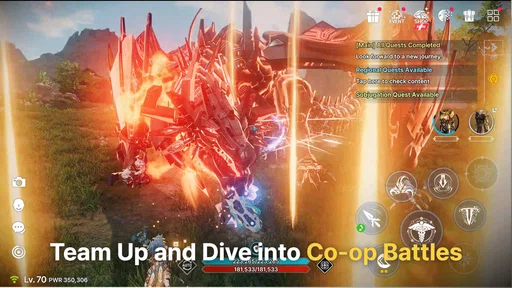
 Analysis by AppCompare
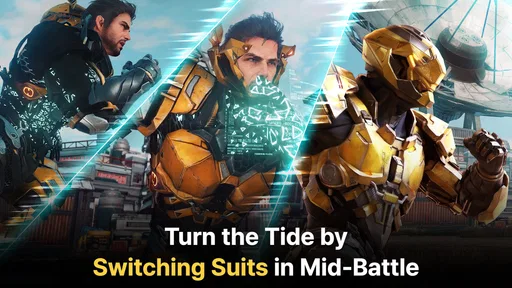
I approach ARES: THE IRON VANGUARD as a role-playing game for players who want battles to feel like the main event, rather than a brief pause between long stretches of menus. Its central idea is clear: gear matters, and changing what you bring into a fight can change how that fight unfolds. That gives the game a more tactical pitch than a fantasy RPG built mainly around collecting characters or watching automatic encounters. My overall impression is that it will appeal most to players who enjoy tuning a build and then seeing whether their choices hold up under pressure.
Who will get the most from its combat focus
I would put this game on the shortlist for someone who enjoys trying a setup, noticing what did not work, and returning with a better plan. It is less obvious as a fit for a player who wants a role-playing game mainly for its plot or a collection of characters. Before committing to a long routine, I would ask myself a simple question: do I like thinking about what I bring into a fight, or do I want to get straight to the next encounter?
That distinction also helps set expectations about mobile play. In a spare moment between errands, I might use a short session to review my equipment and decide what to test next, rather than expecting every opening of the game to deliver a complete, self-contained story beat. If I only have a few minutes and find setup decisions tiring, I would be better served by an RPG built around quick automatic battles. If I enjoy making a small tactical choice and seeing its consequences, the preparation can give a brief session a clear purpose.
How the combat-first idea shapes the game
The premise implied by the game’s presentation puts equipment at the center of decision-making. That is an appealing direction for a role-playing game because it gives preparation a purpose: you are not just improving a number, but considering how a different setup might affect the next encounter. The best way to approach that promise is to treat gear changes as experiments. If a battle feels difficult, I would first reconsider the setup rather than assume that repeating the same approach will solve it.
That distinction matters if you are used to RPGs where a larger roster or a higher level is the obvious answer to every obstacle. ARES frames its appeal around gearing up and changing the flow of battle, so players who like comparing options should find a natural reason to pay attention. It also means that simply collecting upgrades may not be satisfying on its own: the fun depends on whether you enjoy making choices before combat and learning from the result.
Com2uS Holdings is the developer, and the game sits in the role-playing category. The store summary is brief, but the emphasis on battle preparation gives me a useful way to judge whether it suits my tastes: I would recommend it to someone who enjoys building toward encounters, while a player who wants a relaxed story-first experience may prefer a more narrative-led RPG.
A good fit for short sessions with a goal
I can imagine opening the game during a break with one clear aim: make progress, notice what is holding a build back, then adjust before the next serious fight. That is a more satisfying use of a mobile RPG than tapping through menus without a plan. The equipment-focused premise gives each session a simple question to answer: did my choices help, and what would I change next time?
Worth Reading Before You Choose

Baby Panda World Brings Quick Play to Modern Phones, but Its Game Library Feels Busy

ESPN’s Live Game View Makes Following Close Games Easier

QuizzLand Review: A Good Fit for Short Trivia Breaks, Not Every Player

Basketball Stars: Multiplayer Is Fast, but Can It Recover When Matches Go Wrong?

WEBTOON Turns Phone Updates Into a Better Reading Routine

Link to Windows Runs on Shared Habits, Not Social Feeds
There is a trade-off, though. A game that invites players to tune their setup can ask for more attention than an idle RPG, particularly if you dislike comparing equipment or revisiting decisions. It is not the pick I would suggest for someone who wants every encounter to resolve itself with little thought. If that is your preference, a more automatic game in the genre is likely to feel easier to fit into a busy day.
Useful habits for evaluating a build
One practical tip is to change one part of a setup at a time when testing an alternative. If you replace several pieces at once, it becomes difficult to tell which decision actually helped. This is not a special feature claim; it is a sensible way to get more value from a game whose central appeal is adjusting equipment to influence combat. Keeping a mental note of what changed also makes setbacks more informative instead of merely frustrating.
Another useful habit is to avoid treating every new item as an automatic upgrade. The strongest choice is not always the one that looks best in isolation if it does not support the way you approach a fight. When a setup feels reliable, I would keep it as a baseline and compare new options against it. That makes experimentation less chaotic and helps you recognize when a change is genuinely useful.
A third trade-off is how much time you want to spend outside battles. Players who enjoy the preparation loop may see that time as part of the game; players who mainly want action may see it as friction. I would decide early which side of that balance appeals to me. If adjusting gear feels like an interesting puzzle, the combat-first direction has a clear draw. If it feels like housekeeping, the same emphasis could become a reason to move on.
What the current release tells returning players
The current version is 1.5.2, which gives existing players a concrete reference point when they compare their experience with someone starting now. I would avoid reading a version number as proof that a particular feature or balance change has arrived; the number alone does not explain what changed. For a returning player, the useful question is whether the current build still supports the way they want to engage with combat, not whether a later-looking version automatically means a different game.
The game was released on September 14, 2026. That release fact places it in a relatively recent part of its product life, but it does not by itself tell me how its systems have evolved. A returning player should therefore focus on what they can observe directly in their own play: whether their existing equipment choices still feel worthwhile, whether encounters encourage experimentation, and whether the time investment remains enjoyable. Those are better measures of practical change than assumptions based on a version label.
For someone who has already invested time, I would recommend returning with a small test rather than trying to reassess everything at once. Pick a familiar encounter or goal, review the equipment you rely on, and see whether a different configuration creates a meaningful improvement. If it does, the core loop still has room to engage you. If every option feels interchangeable, that is a more personal warning sign than the game’s release timing.
How it compares with familiar mobile RPGs
Many mobile role-playing games compete through large collections, story chapters, or repeatable battles that can be left to run. ARES stands out in its stated emphasis on changing equipment to affect the course of combat. That makes it a better match for a player who likes preparation and build decisions than for someone whose favorite part is assembling a broad cast of characters. It also gives the game a more hands-on identity than a purely idle alternative, at least in the kind of engagement it asks players to value.
Compared with a story-heavy RPG, the trade-off is straightforward: the appeal here is framed around combat choices rather than a promise of elaborate narrative. I would choose a narrative-led option if characters, dialogue, and plot are what keep me playing. I would choose ARES if I want to think about how equipment affects a fight and enjoy refining a setup. Neither preference is better; they simply point toward different reasons to play.
The player response is encouraging: the game has an average rating of 4.6 from around 15,000 ratings, alongside about 535 written reviews. It has also passed 500,000 installs. Those figures suggest a substantial audience and generally positive reception, but they cannot tell me whether its combat loop will suit an individual player. I would use them as context, then judge the game by whether its central preparation-and-battle rhythm is the kind I actually enjoy.
Cost, device fit, and expectations
The game is free to download, with in-app purchases ranging from $0.99 to $99.99 per item. That makes it easy to try without paying up front, but I would set a personal spending limit before browsing optional purchases. The highest listed item price is a reminder to treat spending as a deliberate choice rather than an extension of routine play. If you prefer games with no purchase prompts or optional spending, this may not be the most comfortable fit.
ARES is rated Teen, so it is aimed at an older audience than a children’s game. It requires Android 8.0 or later, a useful first check before installing on an Android device. I would also consider the practical side of playing: if you tend to have only brief moments free, decide whether you enjoy spending some of that time adjusting equipment as well as fighting. The game’s central appeal depends on that preparation being enjoyable, not merely something to get through.
Where the experience may fall short
The biggest limitation I would watch for is the risk that gear tuning becomes repetitive. A combat-focused RPG needs its decisions to feel meaningful; if changes do not produce noticeable differences, the promise of reshaping a battle loses force. This is also why I would not recommend the game solely because you like role-playing games in general. Its particular hook is narrower, and it works best for someone who wants to engage with equipment choices rather than treat them as background administration.
Another possible point of friction is the relationship between free access and optional purchases. A free starting point is convenient, but the existence of purchases means players should decide for themselves how comfortable they are with that model. I would not assume that spending is necessary, nor would I build a recommendation around buying anything. The sensible approach is to try the game at your own pace and only consider a purchase if it clearly improves an experience you already enjoy.
It may also be the wrong choice if your ideal mobile RPG is one you can play without paying attention to preparation. The game’s own combat-first identity makes equipment decisions sound central, so someone seeking a hands-off routine may find another role-playing game more relaxing. Likewise, players looking primarily for a rich story should choose a title that puts narrative front and center rather than expecting this one to satisfy that preference.
What I would watch before settling in
For new players, the most useful thing to watch is whether the first meaningful gear decisions make you curious to test another approach. That reaction is a better indicator of fit than simply enjoying the first battle. For existing users, I would watch whether the current version keeps old setups relevant while giving a reason to experiment. These are practical questions to ask during play, not assumptions about changes that may or may not have happened.
I would also pay attention to whether the amount of preparation feels proportionate to the payoff. If reviewing a setup leads to a clearer, more satisfying fight, the loop is doing its job. If it takes more attention than the combat gives back, that is a fair reason to choose something simpler. The best mobile game is not necessarily the one with the most systems; it is the one whose demands match the time and energy you want to give it.
My recommendation is measured but positive for the right player. ARES: THE IRON VANGUARD is worth trying if you like role-playing games where preparing your equipment is part of the challenge, and its free entry makes that trial straightforward. I would skip it in favor of a story-led or more automatic alternative if build adjustments sound like chores. For me, its strongest appeal is the chance to approach a battle with a plan, then use the outcome to make a smarter choice next time.
Pros
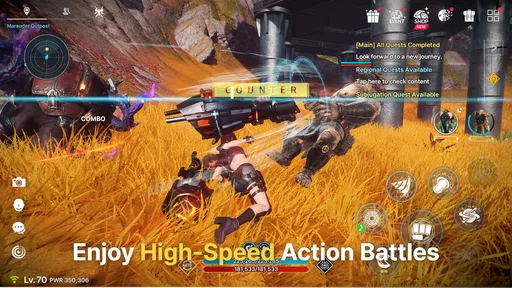
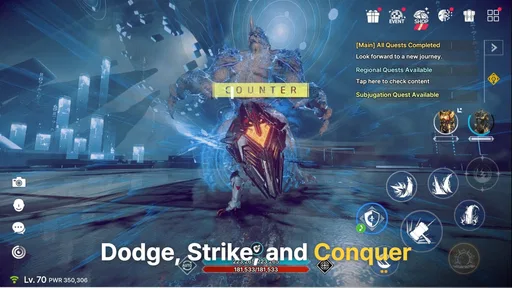
- Fast-paced combat keeps battles engaging.
- Distinctive sci-fi setting gives the game a strong identity.
- Weapon variety offers different ways to approach encounters.
- Progression adds goals beyond completing individual missions.
- A good fit for players who enjoy action-focused games.
Cons
- Combat may feel repetitive over longer sessions.
- Difficulty spikes can interrupt the pace for some players.
- The sci-fi theme may not appeal to every player.
- Progression may require a significant time investment.
- Performance and controls can vary by device.
FAQs for ARES: THE IRON VANGUARD
What kind of game is ARES: THE IRON VANGUARD?
ARES: THE IRON VANGUARD is presented as a science-fiction action game centered on futuristic combat and a mechanized battlefield. Before downloading, check the store listing for its current gameplay description, supported features, and any screenshots or videos, since these are the best ways to confirm whether its combat style and presentation match your preferences. Availability and specific features may differ by platform or version.
Is ARES: THE IRON VANGUARD free to download, and does it include in-app purchases?
The price and monetization model can vary depending on where the game is offered and which version you install. Check the Google Play or App Store listing for the download price, in-app purchases, advertisements, and any subscription details before proceeding. If purchases are available, review their descriptions and your device’s purchase settings, particularly if children may use the device or you prefer to avoid optional spending.
What device requirements should I check before installing the game?
Compatibility depends on your device’s operating system, hardware, available storage, and the version of the game currently in the store. Read the listing’s requirements before downloading, and make sure your device has enough free space for installation and any additional data. If the game does not appear in your regional store, it may not be supported for your device or location.
Does ARES: THE IRON VANGUARD require an internet connection?
The store description should be checked to confirm whether an internet connection is needed for the game’s core features, updates, account services, or multiplayer functions. Even a game that can be launched offline may require connectivity for initial setup or certain content. If reliable offline play matters to you, look for an explicit offline-play statement in the current listing rather than assuming the game works without a connection.
Is ARES: THE IRON VANGUARD suitable for children, and is it safe to download?
Suitability depends on the game’s official age rating and the content described for your region, so review those details before installing it for a younger player. For a safer download, use the official Google Play or Apple App Store listing and check the publisher name, permissions, privacy information, and recent reviews. Avoid unofficial installation files, which may be outdated or modified.


